Solar Panels Price in Pakistan 2026: Costs, Tiers and Payback Explained
The solar panels price in Pakistan has quietly become one of the best value stories in the energy market. Panel costs per watt have dropped to historic lows in 2026, even as grid tariffs climb, which means the maths now favours solar sooner than ever before. Yet the quotes landing in homeowners’ inboxes still vary wildly, and much of that spread comes down to panel tier, wattage, and what the installer bundles into the “price”.
This guide decodes the 2026 price picture: what you pay per watt, how panel tiers differ, and how quickly a system pays for itself.
Understanding the Solar Panels Price in Pakistan
Panels are sold by peak wattage (Wp), and the fair way to compare them is price per watt, not price per panel. A 580W panel naturally costs more than a 450W one, but the per-watt figure tells you whether you are getting a good deal. In 2026, standard mono PERC panels sit at the low end of the market while newer N-type TOPCon modules command a premium for their higher efficiency and better performance in heat.
Because Pakistan imports most of its modules, the rupee-dollar rate and shipping conditions move prices month to month. Still, the long-term direction is clearly downward.
Panel-only cost versus full-system cost
Watch this trap: a quote may show a tempting panel price, then stack mounting, cabling, protections, and labour on top. A full turnkey system typically costs two to three times the bare panel price once everything is included. Always ask whether a figure is panels-only or installed.
2026 Price Breakdown by Panel Tier
The table below shows indicative 2026 per-watt ranges and where each tier fits. Treat them as a sanity check against your quotes rather than fixed figures.
| Panel Type | Typical Efficiency | Indicative Price (PKR/Watt) | Best For |
|---|---|---|---|
| Standard Mono PERC | 20–21% | 42 – 55 | Budget rooftops with ample space |
| N-Type TOPCon | 22–23% | 55 – 70 | Limited roof area, hot climates |
| Premium Bifacial | 22–24% | 65 – 85 | Ground mounts, high-reflectance roofs |
For most homes, mid-range N-type panels hit the best balance of efficiency and value in 2026, especially across Pakistan’s hot plains where high-temperature performance protects your summer output.
How to lock in the best 2026 price
Prices move, so timing and preparation matter. Follow these steps to secure a genuinely competitive deal rather than reacting to a single salesperson’s pitch:
- Gather twelve months of electricity bills to fix your true system size.
- Request per-watt panel pricing and a separate full turnkey figure.
- Compare at least three quotes built on the same panel tier and wattage.
- Ask each installer to confirm the exact module model in writing.
- Buy before the summer demand surge, when stock is ample and lead times are short.
Here is one original tip from the field: ask whether the quoted panels are the current production year’s model. Older stock is sometimes cleared at a discount, but it may carry a shorter remaining performance warranty, which quietly erodes the value you thought you were getting.
What Goes Into a Full System Quote
When you compare installed prices, make sure every quote contains the same building blocks:
- Solar panels (the figure most people fixate on).
- Inverter — the costliest single component after the panels.
- Mounting structure rated for local wind loads.
- DC and AC cabling, breakers, and surge protection.
- Earthing, labour, and net-metering paperwork.
Skimp on the structure or protections and you may save a little today, only to lose panels to a windstorm or a surge next year. Quality solar panel installation Pakistan homeowners can rely on treats these “invisible” components as seriously as the panels themselves.
Efficiency changes how many panels you need
Higher-efficiency panels generate more watts per square metre, so a tight rooftop may need fewer premium modules to reach the same output. On a cramped sector roof in a dense city block, that can be the difference between a 7 kW and a 10 kW system actually fitting.
How Fast Do Solar Panels Pay for Themselves?
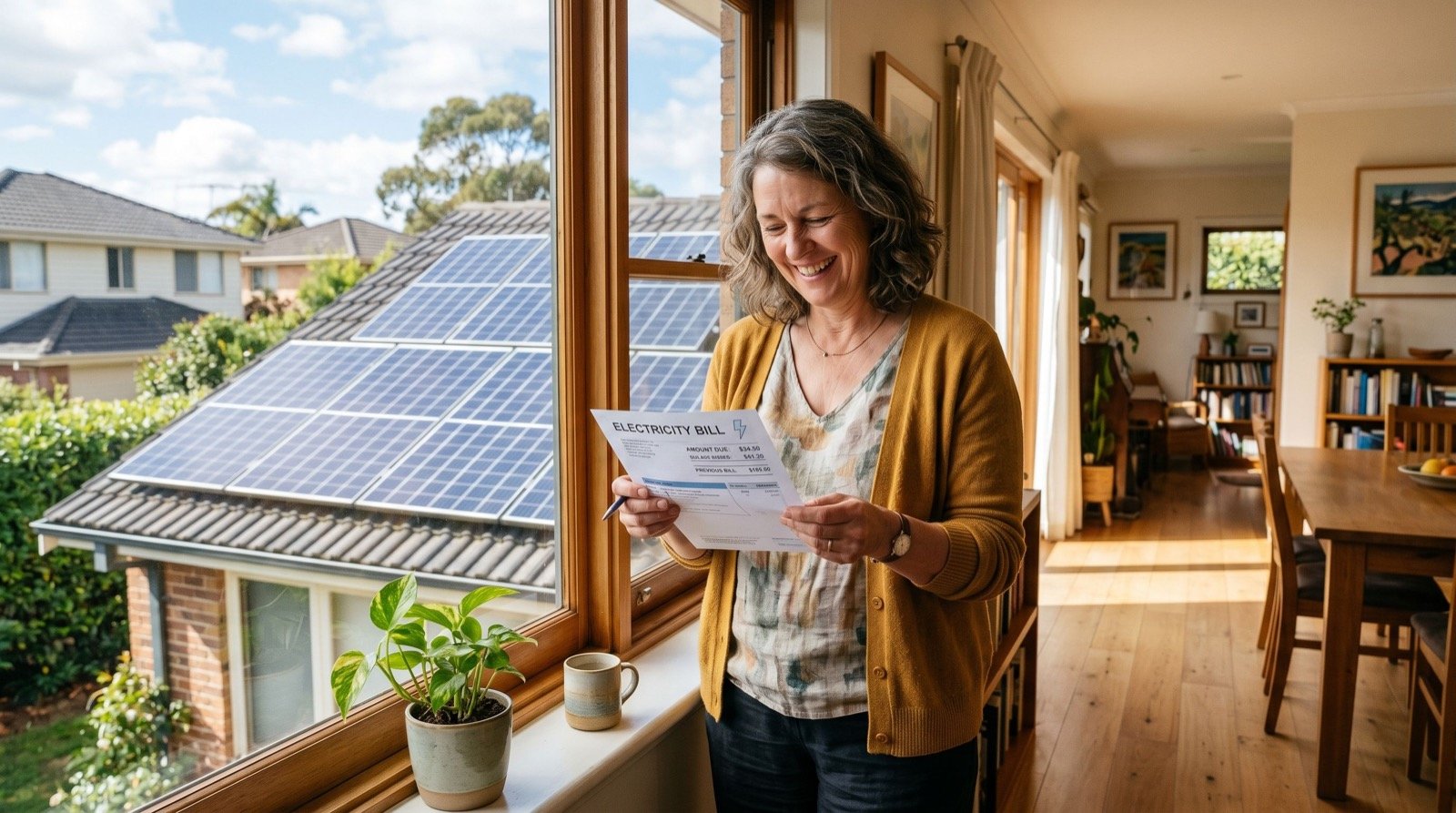
Payback is where 2026 shines. With grid tariffs high and panel prices low, a well-designed on-grid home system commonly pays back in four to six years, then delivers largely free power for the remaining two decades of its warranty. Net metering accelerates this by crediting the surplus you export during the day.
Consider a 10 kW system generating roughly 1,300–1,500 units a month. At current tariffs, the monthly bill savings alone can clear the investment well inside the panels’ 25-year performance life. Global analysis from the International Renewable Energy Agency confirms solar is now the cheapest source of new electricity in most markets, and Pakistan’s high retail tariffs sharpen that advantage further.
Remember that payback is not a fixed number; it shifts with your consumption pattern. A household that runs heavy loads during daylight, when panels are producing, sees faster returns than one that uses most of its power after dark without a battery. Shifting the washing machine, iron, or pool pump to daytime hours is a free way to squeeze more value from the same array and shorten your break-even point by months.
Choosing reputable service experts who design for your roof and load, rather than selling a generic package, is what protects that payback timeline over the long haul.
Frequently Asked Questions
Why do solar panel prices vary so much between quotes?
The biggest reasons are panel tier, whether the figure is panels-only or installed, and the quality of the balance-of-system components. Always compare per-watt panel prices and full turnkey prices separately to see where the difference really sits.
Are cheaper mono PERC panels a false economy?
Not necessarily. If you have plenty of roof space and a tighter budget, good-quality mono PERC panels are a sound choice. N-type panels only pay off when roof area is limited or when summer heat losses are a concern.
How many panels do I need for a typical home?
A 10 kW system usually needs roughly 17–20 panels depending on wattage, which suits a large home running three to four air conditioners. Your exact count depends on your consumption and roof space, so start from your bills, not a round number.
Does the solar panels price include net metering setup?
Sometimes, but not always. Confirm whether the net-metering application, drawings, and bidirectional meter coordination are part of the quoted price or billed separately before you sign.
Conclusion
The solar panels price in Pakistan has never made a stronger case than it does in 2026: low per-watt costs, high grid tariffs, and payback periods under six years. Compare quotes on a per-watt and full-system basis, pick the panel tier that matches your roof, and insist on quality installation down to the cabling and protections. Ready to turn today’s low panel prices into decades of savings? Request a detailed, itemised quote and a free design today.