Net Metering in Pakistan: Cut Your Bill in 2026
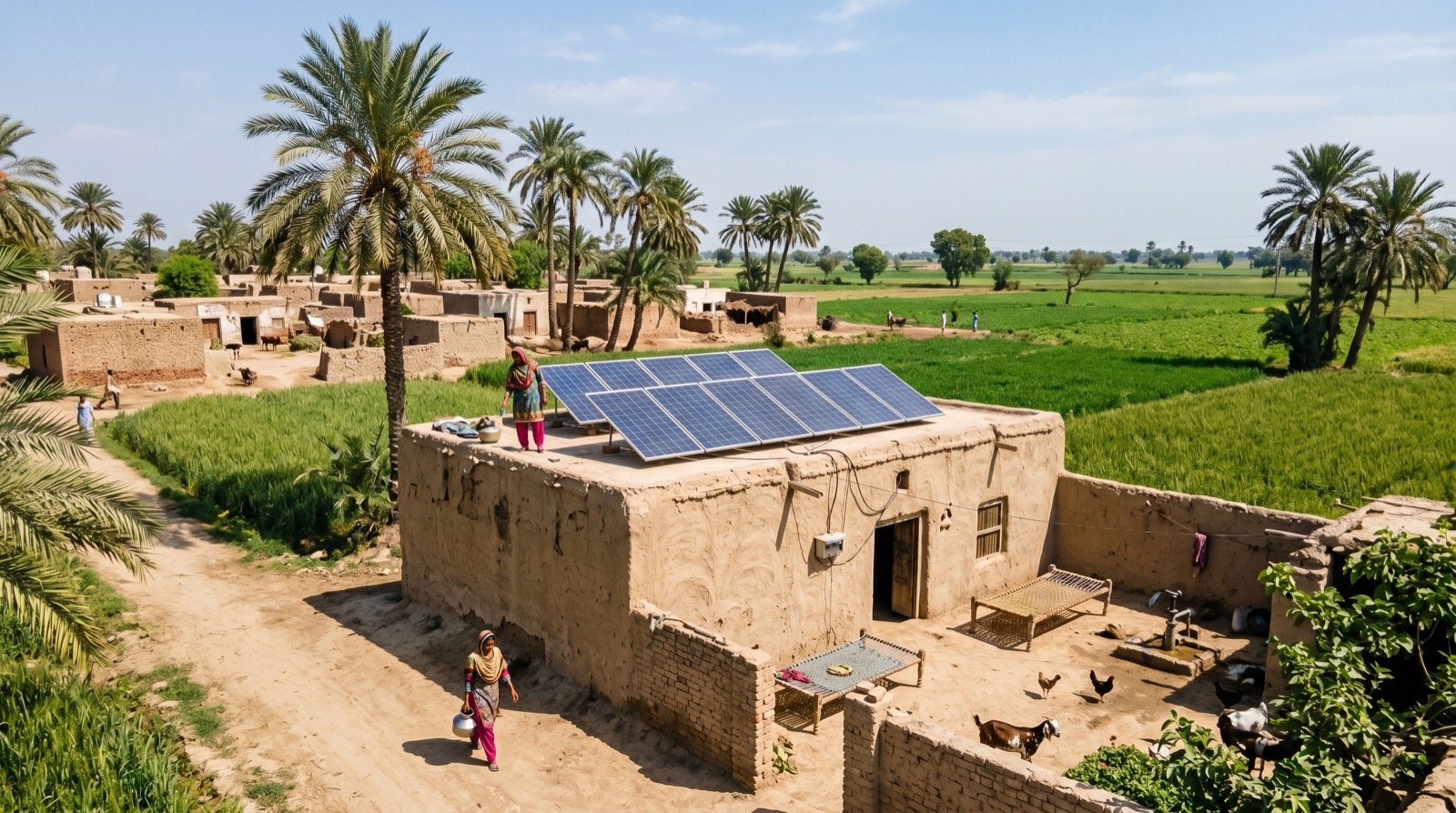
Net metering in Pakistan is the single biggest lever homeowners have for turning a solar investment into real monthly savings. Instead of simply using solar power to run your home, net metering lets you export surplus electricity back to the grid during the day and draw credit against it at night. Understanding how the mechanism actually works is the difference between a system that pays for itself in four years and one that quietly underperforms for a decade.
This guide explains the mechanics, the application process, and the common mistakes that slow down approval, so you walk into your DISCO office or installer meeting already knowing what to ask.
How Net Metering in Pakistan Actually Works
A bi-directional meter tracks electricity flowing both into and out of your home. When your solar panels generate more than you consume — typically midday — the excess flows to the grid and your meter spins backward, crediting you. At night or during cloudy days, you draw from the grid as normal, and the credit offsets that usage on your monthly bill.
The key regulatory detail most people miss: net metering in Pakistan applies the credit at the same rate you are billed, not a discounted wholesale rate. That single rule is what makes residential solar financially attractive compared to many other countries where feed-in tariffs are lower than retail rates.
Net Metering vs Gross Metering: Know the Difference
Many installers mention “gross metering” as an alternative, so it is worth understanding the distinction clearly before you choose.
| Feature | Net Metering | Gross Metering |
|---|---|---|
| Billing method | Net of import minus export | All generation sold separately |
| Best for | Residential, small commercial | Large commercial, IPP-scale |
| Credit rate | Same as retail tariff | Separate feed-in tariff rate |
| Paperwork complexity | Moderate | Higher |
For almost every household, net metering remains the simpler and more financially rewarding route in 2026.
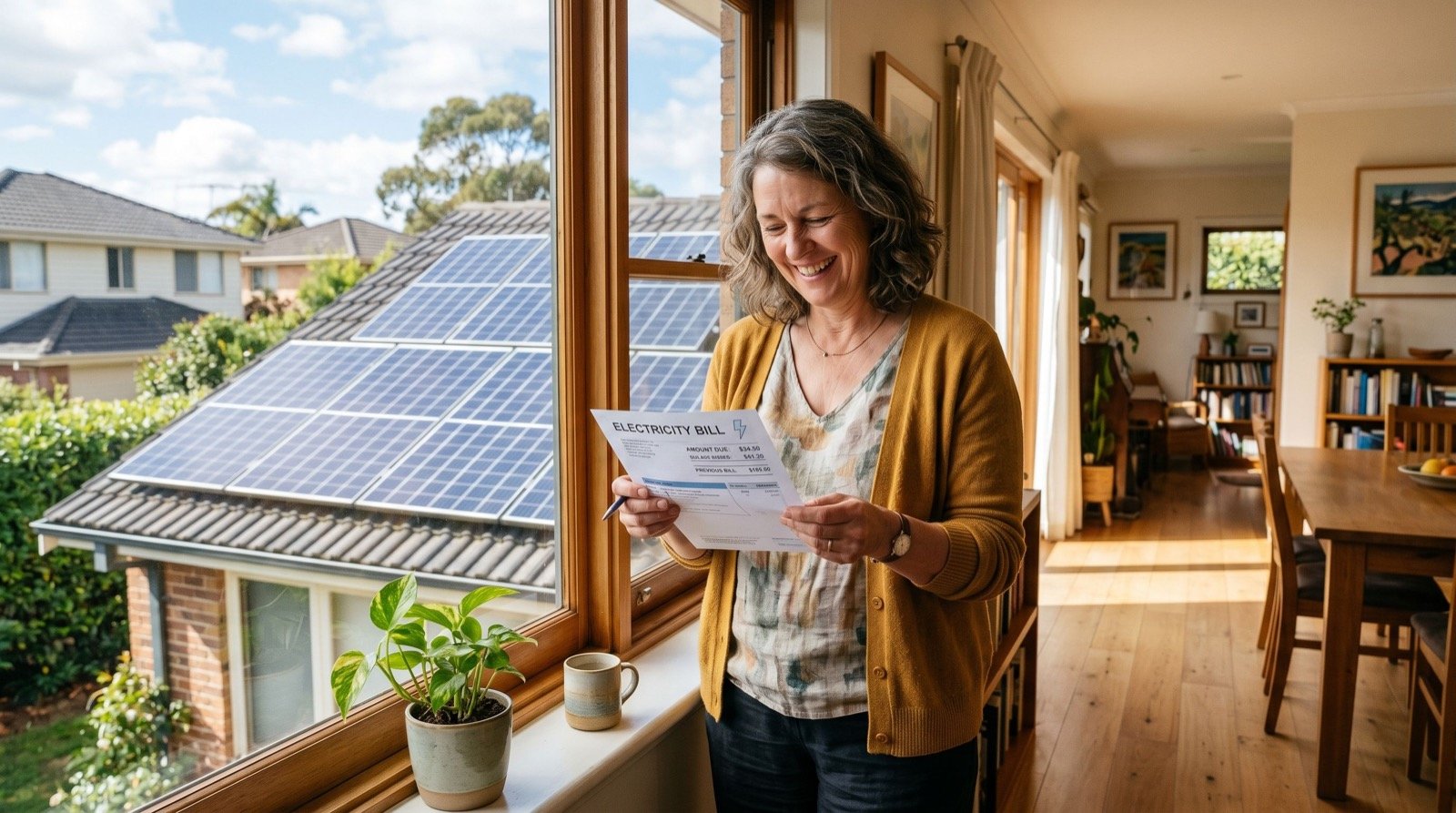
On the billing side, most first-time applicants expect a separate “solar credit” line item, but most DISCOs simply net the two readings together before calculating the bill. Your statement will typically show units imported, units exported, and a net figure — read all three rather than just the final amount due, since that’s the only way to confirm your system is exporting as much as expected. If exported units look unusually low for a sunny month, the issue is more often a wiring or inverter configuration problem than a metering error, so flag it with your installer before assuming the DISCO’s reading is wrong.
The Application Process, Step by Step
Here is the general workflow households follow when applying through their DISCO (IESCO, LESCO, FESCO, etc.):
- Install your solar system through a licensed installer
- Submit a net-metering application with system specs and installer certification
- Pay the applicable processing and meter fee
- Wait for technical inspection by the DISCO team
- Receive bi-directional meter installation and activation
- Start receiving net-metered bills from the next billing cycle
Delays usually happen at the inspection stage, often because wiring doesn’t match the submitted single-line diagram. Double-check that your installer’s paperwork matches the physical installation exactly before scheduling inspection — this is the single most practical tip for avoiding a repeat visit.
Once the bi-directional meter is live, your very first billing cycle often looks confusing because the DISCO billing system needs to reconcile import and export readings for the first time. Don’t panic if the first bill after activation still looks similar to your old one — it usually takes one to two cycles for the net credit to show up accurately on the printed statement. Keep your own simple log of daily generation from the inverter’s app or display for the first few months; if a billing dispute ever comes up with your DISCO, having your own generation record makes resolving it far faster than relying solely on their meter readings.
Regional Differences Worth Knowing
Net metering processing times and local demand vary by city. Homeowners working with a reputable solar company in Sialkot often report faster DISCO turnaround because established installers maintain ongoing relationships with regional offices and know exactly which documents get flagged for resubmission.
Similarly, in areas with newer grid infrastructure, a trusted solar installation in Quetta provider can advise on voltage stability considerations specific to that grid, since rural feeders sometimes need additional surge protection not required in denser urban networks.
Common Mistakes That Slow Down Approval
- Submitting incomplete CNIC or property ownership documents
- Installer certification missing AEDB registration number
- Inverter capacity exceeding the DISCO’s approved threshold without prior clearance
- Wiring diagram mismatched with actual installed equipment
- Choosing an installer unfamiliar with your specific DISCO’s local procedures
Avoiding these five issues alone eliminates the majority of net-metering application delays reported by homeowners in 2026.
Is Net Metering Still Worth It in 2026?
With grid tariffs continuing to rise and solar hardware costs falling globally, the economics of net metering in Pakistan have only strengthened. A well-sized system paired with net metering now routinely delivers payback within 3-5 years, after which electricity costs drop dramatically for the remaining 15+ years of system life. Businesses researching similarly technical infrastructure upgrades elsewhere, including teams relying on reliable local experts for Gulf-region facility projects, apply the same principle: vetted, locally experienced vendors consistently outperform the cheapest bidder over the system’s lifetime.
Frequently Asked Questions
How long does net metering approval take in Pakistan?
Approval typically takes four to eight weeks depending on your DISCO and how complete your submitted documentation is. Working with an experienced installer shortens this considerably.
Can I get net metering without changing my existing meter?
No. A bi-directional meter is mandatory. Your existing single-direction meter cannot measure exported electricity, so DISCO replacement is a required step in the process.
Does net metering work during load-shedding?
Standard grid-tied net-metering inverters shut down automatically during grid outages for safety reasons, unless paired with a hybrid inverter and battery backup system.
What size system qualifies for residential net metering?
Most DISCOs in Pakistan permit residential net metering up to a certain capacity threshold tied to your sanctioned load; larger commercial systems may require additional approvals.
Final Thoughts
Net metering in Pakistan transforms solar from a nice-to-have into one of the most reliable financial decisions a homeowner can make in 2026. Get your paperwork right the first time, choose an installer who already understands your DISCO’s quirks, and the payback timeline speaks for itself. For official guidance on interconnection standards, the National Electric Power Regulatory Authority (NEPRA) publishes the current net-metering regulations that govern every DISCO in the country.